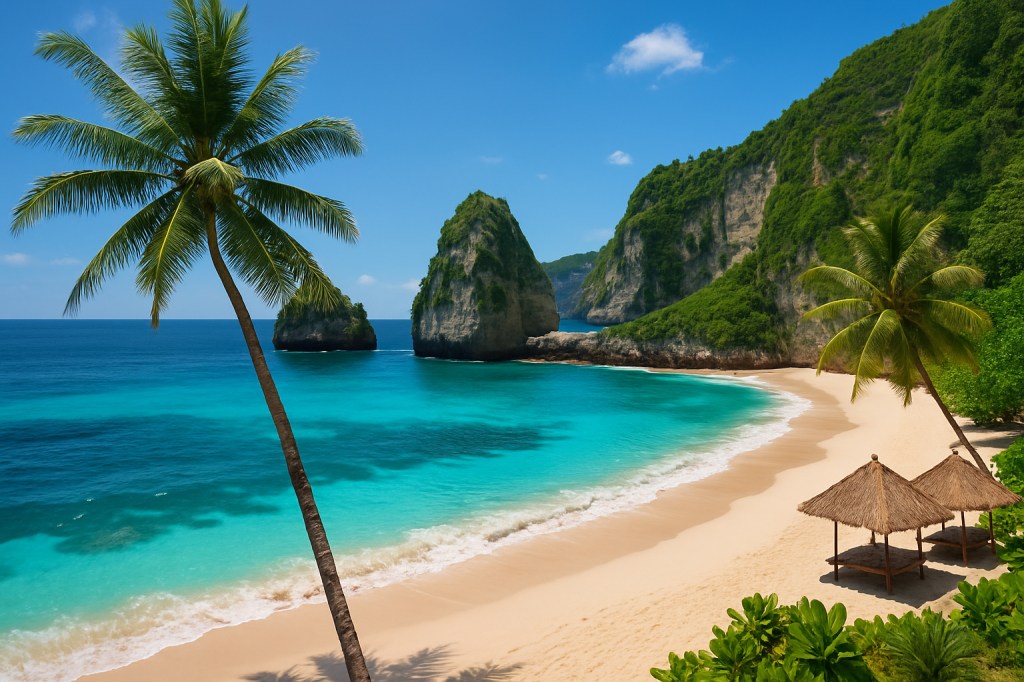
If you’re planning your first holidays to Bali, let me just say—buckle up. You’re in for one heck of a ride. I’ve been to Bali more times than I can count (okay, five… but still), and each time it’s a little different. Not better or worse, just different. There’s a reason Bali is at the top of every Southeast Asia bucket list—it’s drop-dead gorgeous, it’s affordable (ish, if you’re smart), and it’s got this vibe that’s hard to explain unless you’ve felt it.
Please check: Bali Weather in October
But here’s the deal: there’s so much fluff out there. Instagram beaches that don’t look like that IRL, food spots that are all hype, villas that look dreamy online but smell like damp socks when you arrive. So I’m here to break it all down. Real talk. Let’s make sure your Bali holiday is as epic as it should be, yeah?
The Best Time To Visit Bali (And Why It’s Not Always When You Think)
Alright, let’s talk seasons. Everyone will tell you Bali’s “best” time to visit is during the dry season—from May to September. That’s when the skies are clear, the sun’s out, and the rain’s basically on vacation. Great, right?
Well, sorta.
Here’s the catch: that’s also peak season. Flights are pricier, hotels fill up fast (especially around Canggu and Ubud), and good luck getting a photo at Lempuyang Temple without 800 other people in the background. If you hate crowds (like me), it can get overwhelming.
What worked best for me? Late April and early October. You dodge the worst of the rains and the worst of the tourists. Everything’s still lush from the wet season, prices start to dip, and you can actually breathe at the beach.
But hey, if you’re going for a surfing holiday, then honestly? Wet season (November to March) isn’t terrible. Yes, it rains, but it usually comes in short, heavy bursts and then clears up. And the waves on the east coast? Chef’s kiss.
Where To Stay In Bali (And Why Location Changes Everything)
This is the part I messed up on my first trip. I booked an adorable villa in Ubud for the full two weeks. Sounds dreamy, right? Jungle views, infinity pool, rice fields… until I realized I was an hour away from the beach. Every. Single. Day.
Here’s what I’ve learned: Bali is like a bunch of mini-worlds crammed into one island. Where you stay totally changes your trip vibe. Here’s how I usually break it down when I’m helping people plan their holidays to Bali:
Ubud – For the Spiritual Vibe and Jungle Life
Ubud’s all about yoga, temples, art markets, and lush green everything. Perfect if you’re looking to recharge or do a wellness retreat. But don’t go here if your main goal is beach-hopping. It’s nowhere near the coast.
Look for villas near Jalan Bisma or Monkey Forest Road. Central, walkable, but still quiet.
Canggu – For Surf, Smoothie Bowls, and That Digital Nomad Scene
Canggu is a vibe. You’ve got beach clubs like The Lawn and Finns, loads of vegan cafés, coworking spots, and Instagrammable walls at every corner. Great for younger travelers, couples, and anyone doing the “work from paradise” thing.
That said, traffic is a nightmare at rush hour. Rent a scooter or stay close to the beach so you don’t waste your whole trip in a GoJek.
Seminyak – For Upscale Beachfront and Boutiques
A little fancier. Seminyak’s your spot if you want beach lounges, cocktails at sunset, and boutique shopping. It’s not cheap by Bali standards, but still way more affordable than similar places in Europe or the US.
I once splurged on a beachfront villa here for my partner’s birthday, and honestly? Worth every rupiah.
Uluwatu – For Cliffside Views and Epic Sunsets
Want something more chill? Uluwatu has jaw-dropping cliffs, temples, and some of the best beaches in Bali—think Padang Padang and Bingin Beach. But keep in mind: it’s a bit more spread out, so you’ll need to rent a scooter or driver to get around.
The Food in Bali (Yes, You Will Miss It When You Leave)
If I had a dollar for every time someone said “OMG, the food in Bali is SO good,” I could probably afford another trip. But real talk, they’re not wrong.
You can eat really well in Bali for very little money—especially if you mix it up between local warungs and trendier spots.
Warung Bu Mi in Canggu? Legendary for nasi campur. You point at what you want and load up your plate for like 30k IDR ($2 USD). I’m still dreaming about their tempeh sambal.
But if you want a fancier brunch, places like Crate Café, Kynd Community, or Milk & Madu totally deliver. Expect to spend around 120k–180k IDR ($8–$12) for a full meal with drinks.
Oh—and Bali knows coffee. Whether you like it strong and black or in an oat milk latte with a leaf in the foam, they’ve nailed it. Just… don’t ask for decaf in a warung. You’ll get a confused look and probably hot water with sugar.
Budgeting for a Bali Holiday (Spoiler: It Can Be Crazy Cheap or Super Luxe)
Let’s talk money. I’ve done Bali on a shoestring and I’ve done it in full treat-yo-self mode. You can make either work—it just depends what you want.
Here’s a ballpark of what most folks spend per day:
- Backpacker budget: $30–$50/day (hostel or cheap guesthouse, scooter rental, warung food, local SIM)
- Mid-range: $60–$120/day (private villa or hotel, occasional fancy dinner, a few tours, beach clubs)
- Luxury: $200+/day (pool villa, daily massages, private driver, fine dining, shopping sprees)
Flights from the US or Europe can be pricey—usually $600 to $1000 depending on the season. Aussies get it cheaper (jealous), sometimes under $300 return.
A lot of people ask if Bali is still cheap in 2025. Answer: yes, if you want it to be. The prices have gone up slightly post-COVID, especially in Canggu and Uluwatu, but it’s still way more affordable than Western destinations.
My tip? Mix and match. Do a few nights in a bougie villa and then switch to something budget. It keeps things exciting and saves cash.
Is Bali Good for Couples, Families, or Solo Travelers?
Short answer? Yep. Long answer? Let’s break it down.
Honeymoon or Couples Trip
Bali is ridiculously romantic. Think candlelit dinners on the beach, flower baths, jungle swings, and spa days. Head to Ubud for the spiritual connection vibes, or Uluwatu for luxury with a view. I still remember this floating breakfast we had in a jungle villa—ridiculously extra, but such a cool memory.
Book a floating breakfast at Adiwana Svarga Loka or Ayana if you want to go all out. And don’t forget a couples’ massage—those are everywhere.
Family Holidays
Bali is surprisingly kid-friendly. Waterbom Bali (the big water park in Kuta) is a hit with all ages. Loads of family villas with private pools, babysitting services, and beach clubs that are actually family-friendly.
Look for villas in Seminyak or Sanur—more chill than Canggu but still lots to do. And don’t skip Bali Safari Park or Monkey Forest (just don’t bring snacks—they will try to rob you).
Solo Travel
If you’re doing Bali solo, welcome to the club. Canggu and Ubud are both amazing for meeting people—whether you’re into yoga classes, coworking spaces, or just chatting over a smoothie bowl.
I’ve met some of my best travel buddies in Bali, no joke. Just go with an open mind and maybe a backup power bank.
Getting Around Bali (And Why Google Maps Will Lie To You)
Here’s the thing nobody tells you: Bali looks small, but traffic will ruin your schedule if you’re not careful. A 15 km trip can take an hour, easy.
Options for getting around:
- Scooter rental: Super common, dirt cheap (around $5/day), but not for the faint of heart. Roads are chaotic and folks drive on the left. Also, wear a helmet—seriously.
- Private drivers: Great if you’re not comfortable on a scooter. Costs about $40–$60 for a full day (ask your villa or hotel to arrange). They’ll wait while you explore.
- GoJek and Grab: Southeast Asia’s version of Uber. Cheap, reliable, and available for scooters or cars. Can’t recommend this enough.
Side note: Bali doesn’t really do public transport. Buses exist, technically, but most tourists skip them.
What To Do in Bali (Beyond the Usual Touristy Stuff)
Yes, there’s rice fields and swings and temples. And they’re all great. But there’s so much more to holidays to Bali if you dig a little deeper.
- Sunrise hike on Mount Batur: Yeah, it’s early (like 2 AM early), but the views? Worth it. Bring layers—it gets chilly up there.
- Cooking class with a local family: Easily one of the best things I’ve done in Ubud. You cook everything from scratch and get to eat like royalty after.
- Cleansing ceremony at Tirta Empul: Super grounding. You’ll be in a sarong, dipping into holy spring water alongside locals. Just… do it respectfully.
- Day trip to Nusa Penida: Unreal cliffs, crazy blue water, and that famous Kelingking Beach T-Rex shape. But fair warning: the roads are rough. Like, potholes-for-days rough.
If you want to chill instead? Book a spa day. Bali knows how to pamper. I had a full-body massage, scrub, and facial for under $25 once. Not even kidding.
Internet, SIM Cards, and Staying Connected
Quick one—but important.
WiFi in Bali is decent. Most cafés, hotels, and villas have free WiFi, and it’s fast enough for Netflix and Zoom calls. But if you’re out and about a lot (and you will be), grab a local SIM card.
Telkomsel is the most reliable. You can get 25GB for around $7 at the airport or a local shop. Don’t forget your passport—yes, they actually check.
I usually hotspot from my phone when I’m working remote. Hasn’t failed me yet.
What to Pack for Bali (And What You’ll Wish You Had)
Okay, listen—packing for Bali isn’t like packing for a city break in Europe or a ski trip in Canada. You’re gonna want to travel light, stay cool, and prep for some humidity. Like, sticky-shirt-back-sweat-everywhere kind of humidity. But don’t stress—it’s not about packing fancy, it’s about packing smart.
First thing? Leave the jeans. I packed two pairs my first trip thinking I’d wear them to dinner. I wore them once. For 30 minutes. Nearly passed out from heat stroke. Instead, go for loose, breathable stuff—linen pants, cotton tees, maxi dresses, all that easy-breezy Bali vibe gear.
Here’s a quick list of what I actually use every trip:
- Lightweight clothes that dry fast (trust me on this)
- A few swimsuits (you’ll probably be in one daily)
- Sandals you can walk in—those cobblestone roads in Ubud aren’t playing
- Reef-safe sunscreen (it’s way pricier to buy there)
- Mosquito spray (especially if you’re heading to the rice fields or jungly areas)
- A reusable water bottle (tons of refill stations now)
- A lightweight poncho or rain jacket if you’re going during rainy season
You don’t need heels. You don’t need five handbags. You might need a sarong—especially if you’re visiting temples (though lots of places loan or rent them on the spot).
Oh—and don’t forget a power bank. You’ll burn through your phone battery with maps, Insta stories, and translation apps.
Health, Safety, and Travel Insurance in Bali (Don’t Skip This Bit)
I know, I know… boring. But let’s be real—Bali Belly is not a joke. And it can hit you hard. I had it once after a sketchy roadside chicken skewer (should’ve known better, it was 10k IDR for four sticks—yikes). Not a fun time. Stock up on charcoal tablets or bring Imodium just in case.
Avoid tap water. Like, don’t even brush your teeth with it unless you’ve got a cast-iron stomach. Ice is usually fine at restaurants and hotels since they use purified stuff, but if you’re unsure, just skip it.
As for travel insurance—get it. Every single time. Between scooter crashes, surf injuries, sunstroke, and the occasional monkey bite (yes, that’s real), it’s not worth the risk.
There are clinics everywhere, and most speak decent English. BIMC Hospital in Kuta is a solid choice if anything serious happens.
If you’ve got food allergies or take regular meds, bring a translated note or take a photo on your phone. Makes things way easier when you’re ordering food or chatting with a pharmacist.
Instagram vs Reality – What’s Worth Seeing and What’s Overhyped
Let’s be honest—social media’s made Bali look like this perfect, dreamy, untouched paradise. And yeah, it can be that. But a lot of those super-viral spots? Wildly overcrowded or just… underwhelming.
Like, I’m all for chasing waterfalls and jungle swings, but there are a few places I probably wouldn’t go back to.
Places That Felt Overhyped
- Lempuyang Temple (aka The “Gates of Heaven”): That perfect photo? It’s taken with a mirror placed under your phone by a guy who charges for it. And there’s often a 2–3 hour wait. Worth it if you’re nearby, but I wouldn’t drive 3 hours just for that pic again.
- Bali Swing: Fun, sure. But honestly, you can find swings all over Ubud for free or way cheaper.
- Kuta Beach: Overbuilt, crowded, and full of trash some days. Not the postcard beach you’re dreaming of.
Places That Blew My Mind
- Sekumpul Waterfall: Way up north, but hands-down the most jaw-dropping waterfall in Bali. A proper trek, but unreal views and barely any crowds.
- Tukad Cepung Waterfall: A waterfall inside a cave?! Feels like you’re stepping into a movie.
- Tegalalang at sunrise: Yes, it’s touristy—but if you go super early (like 6:30 AM), it’s pure magic.
- Pemuteran & Menjangan Island: Way off the usual tourist radar, but the best snorkeling I’ve done in Bali. Coral’s vibrant, water’s crystal-clear, and it feels like your own private ocean.
Sometimes the best moments aren’t even planned. I once got lost on a scooter and ended up at this tiny village temple where they were doing a dance ceremony. Stayed for an hour just soaking it all in. Zero tourists. Just magic.
Learning a Few Words of Bahasa Indonesia (It Actually Helps)
You don’t need to speak the language to get by in Bali—tourism is huge and most locals speak at least some English. But learning a few simple Bahasa words? It goes a long way. People appreciate it, and it honestly makes you feel more connected.
Here’s what I use all the time:
- Terima kasih = Thank you
- Tolong = Please
- Permisi = Excuse me
- Berapa harganya? = How much is it?
- Tidak, terima kasih = No, thank you (great for politely declining street vendors)
The vibe just changes when you throw in a friendly “pagi!” (morning!) or “makasih” (informal thank you). Locals smile more, the energy’s better—it’s small stuff, but it adds up.
And don’t stress the pronunciation. Just try. Bali’s one of the warmest places I’ve been in terms of how welcoming people are.
Special Events and Festivals in Bali (Time Your Trip Right!)
Most people don’t realize Bali’s got a seriously rich culture calendar. If you time it right, you can experience some of the island’s biggest, most beautiful celebrations.
Nyepi (Balinese New Year)
Nyepi is wild—not in a party way, but in a totally opposite, peaceful kind of way. The whole island literally shuts down for 24 hours. No flights, no traffic, no noise. Even hotels turn off the lights. It’s like Bali holds its breath. Super spiritual, and kind of eerie in the best way.
But be warned—you can’t leave your hotel. Even tourists are expected to stay inside. So stock up on snacks and pick somewhere comfy if you’ll be there during Nyepi.
Galungan and Kuningan
These are big deal religious holidays in Bali. You’ll see penjor (those beautiful tall bamboo poles) lining the streets, and lots of temple ceremonies. Locals dress up in traditional clothing, and there’s this whole energy of celebration.
Ask your host or driver if you can attend a ceremony (respectfully). Most people are happy to share their culture, especially if you show genuine interest.
Spirituality and Respecting Local Culture
Bali isn’t just beaches and cheap Bintangs. It’s a deeply spiritual island. You’ll see little offerings (called canang sari) everywhere—on sidewalks, in shops, on motorbikes. Don’t step on them. It’s a small thing, but it means a lot.
Also, cover up when you’re visiting temples. Shoulders and knees. Most places will give you a sarong, but it’s a good idea to carry one with you just in case.
There’s a certain rhythm to life here. It’s slower, more intentional. Don’t rush it. And try not to get frustrated when things don’t go to plan. That’s Bali too.
 Bali Scenery
Leave a reply to Where to Go in Indonesia: Honest Travel Advice From Someone Who’s Actually Been – Bali Scenery Cancel reply