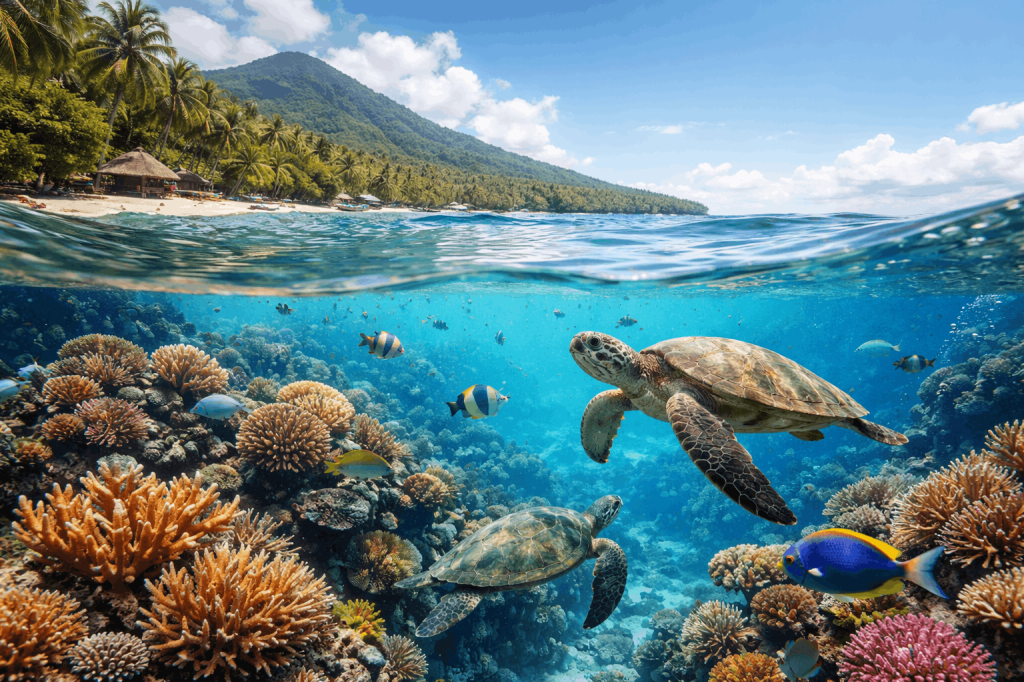
The phrase best snorkeling spots in Bali Indonesia gets searched a lot, and after spending years going back and forth across the island, it makes total sense why. Bali is one of those places where you don’t need to be a pro diver to see something unforgettable. Just a mask, a pair of fins, and a bit of curiosity will take you into a world that feels completely separate from the busy streets, scooters, and beach clubs above water. The thing most people don’t realize at first is how different each snorkeling area feels. One bay might be calm like a swimming pool with soft coral gardens, while another just a short drive away can have stronger currents and bigger fish cruising by.
Read also: Attend Nyepi Day Celebration in Bali
What surprised me early on was how accessible snorkeling is here. You don’t always need a boat or a tour. Some of the best reefs sit just meters from the shoreline, which makes Bali perfect for beginners, families, or even someone who just decided that morning to try snorkeling for the first time. Over time, patterns start to show. Clear mornings are usually better than afternoons. Tide matters more than people think. And the locals always seem to know when the water will be at its best, even without checking anything online.
According to the Indonesian Ministry of Marine Affairs and Fisheries, Indonesia sits within the Coral Triangle, which holds some of the richest marine biodiversity on the planet. That’s not just a fancy stat. You actually feel it when you’re floating above a reef and every direction looks alive, colorful, and constantly moving.
What makes a snorkeling spot in Bali truly worth your time
Water clarity, coral health, and marine life variety explained simply
Not every beach in Bali is good for snorkeling, even if it looks beautiful from the sand. A proper snorkeling spot needs a mix of things working together. Clear water is the first thing people notice, but that clarity depends on currents, weather, and even nearby rivers. Some beaches look amazing at sunset but are terrible for snorkeling because waves stir up sand and reduce visibility.
Healthy coral reefs are the real backbone of a good snorkeling experience. When coral is alive and thriving, fish follow. Small reef fish, larger species, even turtles sometimes. Dead coral, on the other hand, tends to look dull and doesn’t attract much life. It took a few disappointing swims to learn how to spot the difference from the surface.
Then there’s accessibility. Some of the best snorkeling spots in Bali Indonesia are famous because they are easy to reach, not just because they have good reefs. Being able to walk in safely, without fighting waves or sharp rocks, makes a huge difference, especially for beginners.
Timing matters more than gear, honestly
People often focus on buying the perfect mask or fins, but timing your snorkel is far more important. Early morning usually gives the calmest water and best visibility. By midday, wind and boat traffic can stir things up. Tides also shift everything. Low tide can expose coral, while high tide might make it harder to see details.
After a few trips, it becomes almost instinctive. If the water looks glassy and still, that’s your moment. If waves are crashing, it’s better to wait or try another beach.
Amed: Calm bays, gentle entry points, and surprisingly rich marine life
Why Amed feels like the perfect starting point for snorkeling in Bali
The stretch of coastline around Amed is often where people fall in love with snorkeling in Bali. It’s quieter than the southern beaches, and the water tends to be calmer, especially in the mornings. What stands out right away is how easy it is. You can literally walk into the water from the black sand beach and start seeing fish within minutes.
The coral here isn’t always the brightest compared to deeper dive sites, but it’s very accessible and still full of life. Schools of small fish move in waves, and if you stay still long enough, they come surprisingly close. There’s something relaxing about floating here without needing to think too much about currents or waves.
The Japanese Shipwreck and what makes it unique
One of the highlights in Amed is the Japanese Shipwreck, located near Banyuning. Unlike larger wrecks that require diving, this one sits shallow enough for snorkelers. Over time, coral has grown around it, turning the structure into part of the reef.
Swimming over it feels a bit like stepping into history, but without needing any special training. The mix of metal structure and coral growth creates a different kind of underwater landscape, and fish seem to love hiding in and around it.
Tulamben: The famous wreck that changed how people see snorkeling
USAT Liberty and why snorkelers talk about it so much
Just up the coast from Amed sits Tulamben, home to the USAT Liberty shipwreck. This wreck is one of the most famous dive sites in the world, but what many don’t realize is that a large portion of it is shallow enough for snorkeling.
The first time floating above the wreck, it’s hard not to feel a bit overwhelmed. The structure is massive, stretching across the seabed, and covered in coral and marine life. Fish move in and out of the wreck like it’s their home, which, at this point, it really is.
Entry challenges and how to handle them
Tulamben isn’t as easy to enter as Amed. The beach is covered in smooth stones rather than sand, which can make walking into the water a bit tricky. Once you’re in, though, it becomes much easier. The key is to take it slow, watch your footing, and maybe wear water shoes if you’re not used to rocky entries.
Nusa Penida: Strong currents but unforgettable encounters
Crystal Bay and Manta Point experiences that stay with you
Across the water from mainland Bali lies Nusa Penida, which offers some of the most dramatic snorkeling experiences in the region. This is not always beginner territory, but on calm days, it’s absolutely incredible.
Crystal Bay lives up to its name when conditions are right. The water can be incredibly clear, giving you a wide view of the reef and the fish moving through it. It’s one of those places where you can just float and watch everything unfold below.
Then there’s Manta Point. Seeing manta rays in the wild isn’t something you forget easily. They glide through the water with this calm, almost effortless movement that makes everything else feel still.
Safety matters more here than anywhere else
Nusa Penida has stronger currents than most snorkeling areas in Bali. That doesn’t mean you should avoid it, but it does mean you need to respect the conditions. Going with a local guide or tour is often the safer choice, especially if you’re not used to open ocean snorkeling.
Blue Lagoon in Padangbai: Small bay, big rewards
Why beginners often end up loving this spot the most
Padangbai is known as a ferry port, but just around the corner lies Blue Lagoon Beach, one of the easiest and most rewarding snorkeling spots in Bali.
The bay is sheltered, which keeps the water relatively calm. Visibility is usually good, and the coral sits at a depth that’s perfect for snorkeling. You don’t need to swim far to start seeing fish, which makes it ideal for beginners or anyone who just wants a relaxed experience.
The unexpected variety of marine life
Despite its small size, Blue Lagoon has a surprising range of marine life. From colorful reef fish to occasional sightings of octopus or cuttlefish, there’s always something interesting to spot. It’s the kind of place where you keep saying “just five more minutes” and end up staying much longer.
Menjangan Island: Remote, quiet, and incredibly clear water
Why the trip north is worth the effort
Far from the busy parts of Bali, Menjangan Island sits within a protected marine park. Getting there takes time, but the reward is some of the clearest water you’ll find anywhere around Bali.
The reefs here are healthier and less crowded than most other spots. Coral walls drop down into deeper water, and the visibility can stretch far enough that you feel like you’re floating in open space.
A different pace, a different feeling
Snorkeling at Menjangan feels slower, quieter. There’s less noise, fewer boats, and more space to just drift and observe. It’s not the kind of place you rush through. You take your time, float, and let the underwater world unfold naturally.
Practical tips that actually make your snorkeling trip better
Choosing the right season without overthinking it
Bali’s dry season, roughly from April to October, usually brings calmer seas and better visibility. That said, snorkeling is possible year-round. Even during the rainy season, there are still good days and calm spots.
The key is flexibility. If one area looks rough, another part of the island might be perfect on the same day.
Gear choices that don’t need to be complicated
A good mask that fits properly matters more than anything else. If water keeps leaking in, it ruins the experience quickly. Fins help you move efficiently, especially in areas with mild currents. A snorkel vest can be useful if you’re not fully comfortable in the water yet.
Renting gear is easy in most snorkeling areas, but having your own mask can make things more comfortable.
Respecting the reef without needing a lecture
Coral is fragile, even if it looks like rock. Standing on it or touching it can cause damage. Keeping a bit of distance not only protects the reef but also makes it more likely that fish will come closer to you.
It’s one of those simple habits that makes a big difference over time, even if it doesn’t feel like it in the moment.
How snorkeling in Bali changes over time for most people
From first-time curiosity to something deeper
Most people start snorkeling in Bali out of simple curiosity. It’s something to try between beach days and temple visits. But after a few good experiences, it often becomes something more. You start noticing details. Different fish, different coral shapes, the way light moves underwater.
What begins as a casual activity turns into something you actively look forward to.
The small moments that end up meaning the most
It’s not always the big highlights like manta rays or shipwrecks that stick with you. Sometimes it’s just floating in calm water, watching a group of fish move together, or seeing how quiet everything feels below the surface.
Those small moments tend to stay longer than expected, and they’re a big part of why people keep searching for the best snorkeling spots in Bali Indonesia long after their first trip.


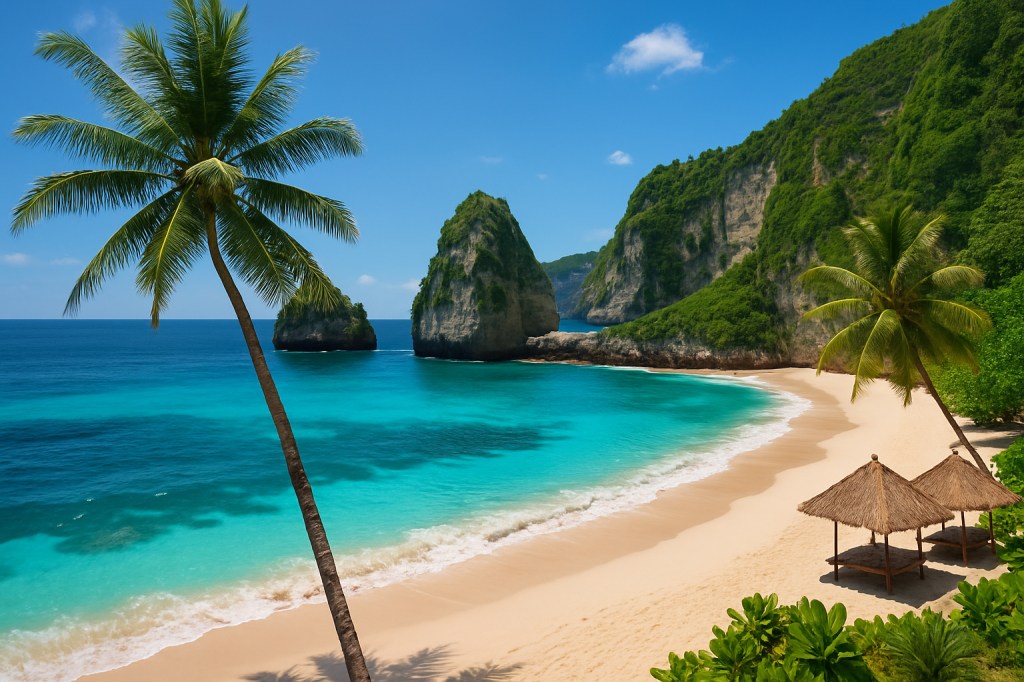

 Bali Scenery