Tag: adventure

  • Best Snorkeling Spots in Bali Indonesia for Clear Water, Vibrant Coral, and Easy Access Adventures

    Best Snorkeling Spots in Bali Indonesia for Clear Water, Vibrant Coral, and Easy Access Adventures

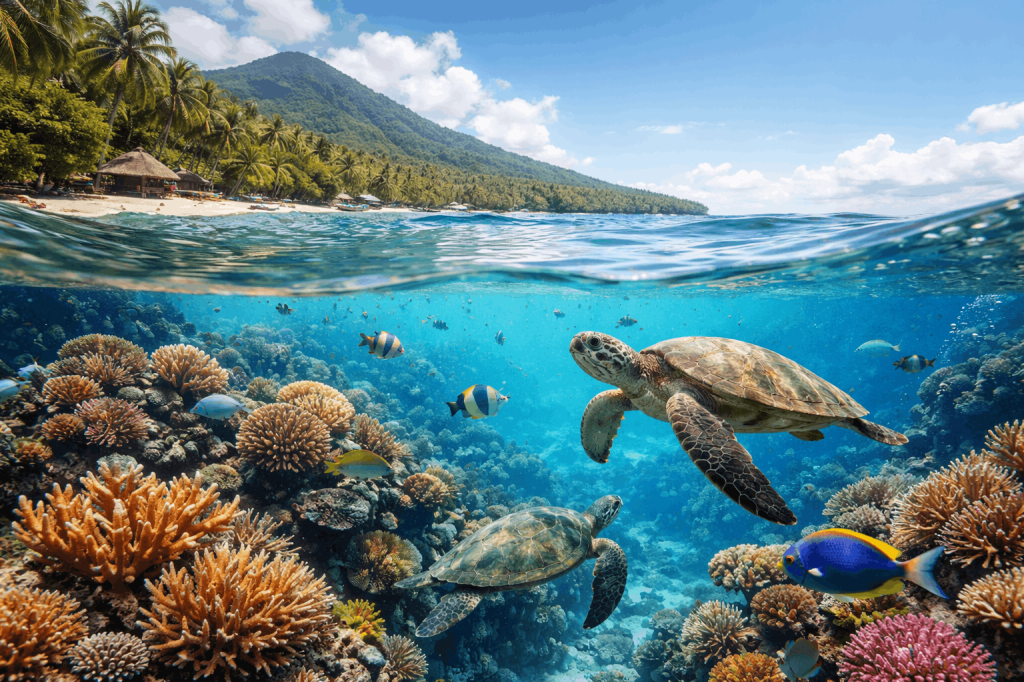
    The phrase best snorkeling spots in Bali Indonesia gets searched a lot, and after spending years going back and forth across the island, it makes total sense why. Bali is one of those places where you don’t need to be a pro diver to see something unforgettable. Just a mask, a pair of fins, and a bit of curiosity will take you into a world that feels completely separate from the busy streets, scooters, and beach clubs above water. The thing most people don’t realize at first is how different each snorkeling area feels. One bay might be calm like a swimming pool with soft coral gardens, while another just a short drive away can have stronger currents and bigger fish cruising by.

    Read also: Attend Nyepi Day Celebration in Bali

    What surprised me early on was how accessible snorkeling is here. You don’t always need a boat or a tour. Some of the best reefs sit just meters from the shoreline, which makes Bali perfect for beginners, families, or even someone who just decided that morning to try snorkeling for the first time. Over time, patterns start to show. Clear mornings are usually better than afternoons. Tide matters more than people think. And the locals always seem to know when the water will be at its best, even without checking anything online.

    According to the Indonesian Ministry of Marine Affairs and Fisheries, Indonesia sits within the Coral Triangle, which holds some of the richest marine biodiversity on the planet. That’s not just a fancy stat. You actually feel it when you’re floating above a reef and every direction looks alive, colorful, and constantly moving.

    What makes a snorkeling spot in Bali truly worth your time

    Water clarity, coral health, and marine life variety explained simply

    Not every beach in Bali is good for snorkeling, even if it looks beautiful from the sand. A proper snorkeling spot needs a mix of things working together. Clear water is the first thing people notice, but that clarity depends on currents, weather, and even nearby rivers. Some beaches look amazing at sunset but are terrible for snorkeling because waves stir up sand and reduce visibility.

    Healthy coral reefs are the real backbone of a good snorkeling experience. When coral is alive and thriving, fish follow. Small reef fish, larger species, even turtles sometimes. Dead coral, on the other hand, tends to look dull and doesn’t attract much life. It took a few disappointing swims to learn how to spot the difference from the surface.

    Then there’s accessibility. Some of the best snorkeling spots in Bali Indonesia are famous because they are easy to reach, not just because they have good reefs. Being able to walk in safely, without fighting waves or sharp rocks, makes a huge difference, especially for beginners.

    Timing matters more than gear, honestly

    People often focus on buying the perfect mask or fins, but timing your snorkel is far more important. Early morning usually gives the calmest water and best visibility. By midday, wind and boat traffic can stir things up. Tides also shift everything. Low tide can expose coral, while high tide might make it harder to see details.

    After a few trips, it becomes almost instinctive. If the water looks glassy and still, that’s your moment. If waves are crashing, it’s better to wait or try another beach.

    Amed: Calm bays, gentle entry points, and surprisingly rich marine life

    Why Amed feels like the perfect starting point for snorkeling in Bali

    The stretch of coastline around Amed is often where people fall in love with snorkeling in Bali. It’s quieter than the southern beaches, and the water tends to be calmer, especially in the mornings. What stands out right away is how easy it is. You can literally walk into the water from the black sand beach and start seeing fish within minutes.

    The coral here isn’t always the brightest compared to deeper dive sites, but it’s very accessible and still full of life. Schools of small fish move in waves, and if you stay still long enough, they come surprisingly close. There’s something relaxing about floating here without needing to think too much about currents or waves.

    The Japanese Shipwreck and what makes it unique

    One of the highlights in Amed is the Japanese Shipwreck, located near Banyuning. Unlike larger wrecks that require diving, this one sits shallow enough for snorkelers. Over time, coral has grown around it, turning the structure into part of the reef.

    Swimming over it feels a bit like stepping into history, but without needing any special training. The mix of metal structure and coral growth creates a different kind of underwater landscape, and fish seem to love hiding in and around it.

    Tulamben: The famous wreck that changed how people see snorkeling

    USAT Liberty and why snorkelers talk about it so much

    Just up the coast from Amed sits Tulamben, home to the USAT Liberty shipwreck. This wreck is one of the most famous dive sites in the world, but what many don’t realize is that a large portion of it is shallow enough for snorkeling.

    The first time floating above the wreck, it’s hard not to feel a bit overwhelmed. The structure is massive, stretching across the seabed, and covered in coral and marine life. Fish move in and out of the wreck like it’s their home, which, at this point, it really is.

    Entry challenges and how to handle them

    Tulamben isn’t as easy to enter as Amed. The beach is covered in smooth stones rather than sand, which can make walking into the water a bit tricky. Once you’re in, though, it becomes much easier. The key is to take it slow, watch your footing, and maybe wear water shoes if you’re not used to rocky entries.

    Nusa Penida: Strong currents but unforgettable encounters

    Crystal Bay and Manta Point experiences that stay with you

    Across the water from mainland Bali lies Nusa Penida, which offers some of the most dramatic snorkeling experiences in the region. This is not always beginner territory, but on calm days, it’s absolutely incredible.

    Crystal Bay lives up to its name when conditions are right. The water can be incredibly clear, giving you a wide view of the reef and the fish moving through it. It’s one of those places where you can just float and watch everything unfold below.

    Then there’s Manta Point. Seeing manta rays in the wild isn’t something you forget easily. They glide through the water with this calm, almost effortless movement that makes everything else feel still.

    Safety matters more here than anywhere else

    Nusa Penida has stronger currents than most snorkeling areas in Bali. That doesn’t mean you should avoid it, but it does mean you need to respect the conditions. Going with a local guide or tour is often the safer choice, especially if you’re not used to open ocean snorkeling.

    Blue Lagoon in Padangbai: Small bay, big rewards

    Why beginners often end up loving this spot the most

    Padangbai is known as a ferry port, but just around the corner lies Blue Lagoon Beach, one of the easiest and most rewarding snorkeling spots in Bali.

    The bay is sheltered, which keeps the water relatively calm. Visibility is usually good, and the coral sits at a depth that’s perfect for snorkeling. You don’t need to swim far to start seeing fish, which makes it ideal for beginners or anyone who just wants a relaxed experience.

    The unexpected variety of marine life

    Despite its small size, Blue Lagoon has a surprising range of marine life. From colorful reef fish to occasional sightings of octopus or cuttlefish, there’s always something interesting to spot. It’s the kind of place where you keep saying “just five more minutes” and end up staying much longer.

    Menjangan Island: Remote, quiet, and incredibly clear water

    Why the trip north is worth the effort

    Far from the busy parts of Bali, Menjangan Island sits within a protected marine park. Getting there takes time, but the reward is some of the clearest water you’ll find anywhere around Bali.

    The reefs here are healthier and less crowded than most other spots. Coral walls drop down into deeper water, and the visibility can stretch far enough that you feel like you’re floating in open space.

    A different pace, a different feeling

    Snorkeling at Menjangan feels slower, quieter. There’s less noise, fewer boats, and more space to just drift and observe. It’s not the kind of place you rush through. You take your time, float, and let the underwater world unfold naturally.

    Practical tips that actually make your snorkeling trip better

    Choosing the right season without overthinking it

    Bali’s dry season, roughly from April to October, usually brings calmer seas and better visibility. That said, snorkeling is possible year-round. Even during the rainy season, there are still good days and calm spots.

    The key is flexibility. If one area looks rough, another part of the island might be perfect on the same day.

    Gear choices that don’t need to be complicated

    A good mask that fits properly matters more than anything else. If water keeps leaking in, it ruins the experience quickly. Fins help you move efficiently, especially in areas with mild currents. A snorkel vest can be useful if you’re not fully comfortable in the water yet.

    Renting gear is easy in most snorkeling areas, but having your own mask can make things more comfortable.

    Respecting the reef without needing a lecture

    Coral is fragile, even if it looks like rock. Standing on it or touching it can cause damage. Keeping a bit of distance not only protects the reef but also makes it more likely that fish will come closer to you.

    It’s one of those simple habits that makes a big difference over time, even if it doesn’t feel like it in the moment.

    How snorkeling in Bali changes over time for most people

    From first-time curiosity to something deeper

    Most people start snorkeling in Bali out of simple curiosity. It’s something to try between beach days and temple visits. But after a few good experiences, it often becomes something more. You start noticing details. Different fish, different coral shapes, the way light moves underwater.

    What begins as a casual activity turns into something you actively look forward to.

    The small moments that end up meaning the most

    It’s not always the big highlights like manta rays or shipwrecks that stick with you. Sometimes it’s just floating in calm water, watching a group of fish move together, or seeing how quiet everything feels below the surface.

    Those small moments tend to stay longer than expected, and they’re a big part of why people keep searching for the best snorkeling spots in Bali Indonesia long after their first trip.
  • Where to Go in Indonesia: Honest Travel Advice From Someone Who’s Actually Been

    Where to Go in Indonesia: Honest Travel Advice From Someone Who’s Actually Been

    Alright, so you’re Googling where to go in Indonesia and the internet throws a hundred lists at you with “Top 10 Beaches,” “Best Bali Spots,” and “Most Instagrammable Places.” Cool, but if you’re like me, you want to know what’s actually worth your time, what’s overhyped, and what will make you say, “Man, I’m glad I didn’t skip this.” I’ve backpacked, splurged, and semi-melted in the Indonesian sun more times than I can count. So yeah, I’ve got some things to say.

    Let’s break it down. Indonesia isn’t just Bali (even though Bali’s solid, don’t get me wrong). This massive archipelago is made up of over 17,000 islands—yeah, you read that right—and honestly, the variety is nuts. Whether you’re into scuba diving, volcano trekking, temple hopping, or just lazing with a cold Bintang beer, there’s a spot with your name on it.

    Read also: Holidays to Bali

    Bali – Yes, It’s Tourist-y. But Go Anyway.

    Okay, yes. It’s crowded. And yeah, sometimes it feels like everyone there is an influencer trying to get “that shot” with their coconut and a rice terrace. But if it’s your first time figuring out where to go in Indonesia, don’t skip Bali. It’s popular for a reason.

    Ubud is where I usually start. It’s lush, the vibe is chill, and even though there’s traffic and scooters zipping past monkeys (yep, that’s a thing), the energy is kinda healing. One of my best mornings was spent walking through the Campuhan Ridge Walk before the heat hit, then ending up at a little café with banana pancakes and Bali coffee strong enough to punch your face.

    And Canggu? I have mixed feelings. It’s got this cool, digital nomad buzz—like, everyone’s working on a MacBook somewhere with oat milk lattes—but the beaches aren’t amazing. Great food scene though, especially if you’re into vegan stuff or fancy smoothie bowls. Also, the surf there? Pretty legit for beginners, though I did manage to get knocked down more than I stood up. Still fun.

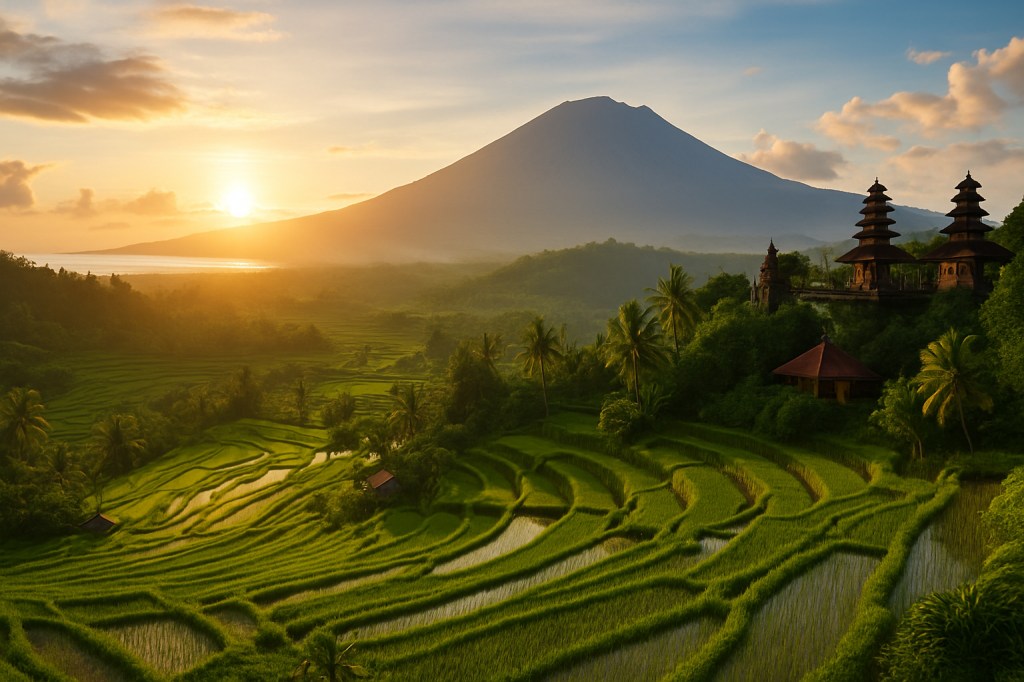
    If you’re after something quieter, go up to Amed on the east coast. It’s got black sand beaches and some of the best snorkeling I’ve ever done right off the beach. Plus, you can see Mount Agung in the background. It’s like swimming in a postcard.

    Java – Culture, Chaos, and Volcanoes That Will Blow Your Mind

    If you’re down for a bit more adventure and less chill, Java is it. It’s not as tourist-heavy as Bali, and it’s home to some of the most insane natural wonders I’ve ever seen.

    Yogyakarta is your gateway city. Everyone just calls it “Jogja,” and it’s a mix of university town, art hub, and gateway to two massive temples: Borobudur and Prambanan. Both are UNESCO World Heritage Sites, and trust me, they’re worth waking up at 4 a.m. for. Seeing the sunrise at Borobudur with the fog rolling over the jungle? That image is burned into my brain in the best way.

    But honestly, the highlight of Java for me was hiking Mount Bromo. You start at like, 2 a.m. in a beat-up Jeep, get to the viewpoint by sunrise, and you watch this surreal volcanic landscape light up like something out of a sci-fi movie. Bromo smokes constantly, which is both terrifying and amazing. The sulfur smell is rough though, so bring a scarf or mask. Don’t say I didn’t warn you.

    If you’ve got more time, hit up Ijen Crater too. It’s where you see the famous “blue fire.” You hike at night, and yeah, it’s exhausting and kind of smells like a rotten egg exploded in your face, but watching electric-blue flames flicker out of the ground? Unreal.

    Just don’t expect luxury out here. You’ll stay in basic homestays, eat lots of nasi goreng (fried rice), and deal with the occasional cold shower. But it’s worth every bit.

    Lombok – Like Bali’s Cool Younger Cousin

    So, Lombok. It’s just east of Bali, and while it’s been growing in popularity, it’s still way less chaotic. If you’re thinking about where to go in Indonesia that feels like Bali used to feel 20 years ago (or so I’m told), this is it.

    Kuta Lombok (not to be confused with Kuta Bali, which is… very different) is a laid-back surf town with some of the most beautiful white sand beaches I’ve ever sunk my feet into. Tanjung Aan and Selong Belanak are worth the trip alone.

    And the surf here? Legit. I took a lesson on Selong Belanak and actually stood up without looking like a total disaster. The instructors are super chill, and the vibe is more supportive than show-offy. It’s perfect if you’re a beginner or just in it for the laughs.

    Now, if you’re feeling a bit more masochistic and in solid shape, climbing Mount Rinjani is a must. It’s a tough multi-day trek, and you’ll be cursing yourself halfway through, but the crater lake and sunrise views at the top? Completely ridiculous in the best way. Just know it’s no joke—bring good boots, a rain jacket, and some real determination.

    The Gili Islands – Party, Chill, Repeat

    You’ve probably heard of the Gilis—specifically Gili Trawangan, Gili Air, and Gili Meno. They’re small islands off Lombok, and each one has its own vibe.

    Gili T is the “party island.” Think beach bars, late-night fire dancers, and the kind of places that serve neon cocktails in buckets. Not my scene anymore (I’ve aged out a bit), but if you’re young or just down for a good time, it’s a blast.

    Gili Air’s more balanced—there’s some nightlife, but also yoga classes, beachfront bungalows, and places to sip fresh juice while watching the tide roll in. I stayed in a bamboo hut five minutes from the beach and snorkeled with turtles almost every morning. It was straight-up magic.

    Gili Meno is the quietest. Honeymoon vibes, no parties, just you and the sea. I only spent a night there and honestly? That was enough for me, but if you’re looking to totally unplug, it’s ideal.

    The Gilis have no motorized vehicles. You get around by bike, foot, or horse cart. It’s charming for about a day and then your calves are screaming. Pack light, or prepare to carry your life on your back.

    Flores & Komodo – Dragons, Diving, and the Most Insane Views

    If you want something way off the typical tourist trail (and I mean way), get yourself to Flores. The main jump-off point is Labuan Bajo, and yeah, it’s a bit dusty and undeveloped, but it’s your entry to Komodo National Park—aka, dragon country.

    Seeing Komodo dragons up close? Kinda terrifying. They’re massive, prehistoric, and have this weird slow-motion swagger that makes them seem chill… until your guide reminds you they can sprint up to 12 mph and have venom in their bite. Lovely creatures.

    But beyond the dragons, the real star here is the underwater world. Komodo is one of the best diving spots I’ve ever experienced. I’m talking manta rays the size of small cars, vibrant coral, and visibility that makes you forget you’re 30 meters deep.

    Even if you don’t dive, you can snorkel and still see insane stuff. Plus, the island-hopping tours are unreal. You’ll see Padar Island (that photo you see on every travel blog), with those crazy ridges and pink sand beaches. Yes, the sand is actually pink. It’s not Photoshopped.

    And if you’re traveling solo, you’ll make friends fast here. Most of the tours are group-based, and by day two, everyone’s swapping sunscreen and sharing snacks on the deck of the boat.

    Sumatra – Wild, Raw, and Full of Orangutans

    I’ll be real with you—Sumatra is not for the faint-hearted. It’s wild. It’s not as tourist-ready as Bali or even Java, but if you’re into raw jungle vibes, this is where to go in Indonesia.

    I went to Bukit Lawang for the orangutan trekking, and it’s hands-down one of the most powerful experiences I’ve had. You hike through dense rainforest with a guide (you need a guide—this isn’t a place to play hero), and after a few hours, you’ll likely see orangutans swinging just a few feet above your head. They’re massive, kinda goofy-looking, and strangely human in their expressions.

    It’s humid, the mosquitoes are relentless, and the terrain is rough. But seeing these creatures in their natural habitat? Worth every mosquito bite and muddy boot.

    There’s also Lake Toba, which is this giant crater lake with a volcanic island in the middle. It’s way more laid-back. You can chill out, rent a scooter, cruise around the island (called Samosir), and enjoy the cool air. Definitely a good detox spot after the jungle chaos.

    Raja Ampat – Remote, Expensive, But Oh My God

    Okay, full disclosure: this place ain’t cheap. It’s expensive to get to, accommodations are basic, and internet barely exists. But Raja Ampat is hands-down the most beautiful place I’ve ever been.

    Located way out in West Papua, it takes a flight to Sorong, a ferry, and maybe a small boat to even get there. But once you’re there? Just… wow.

    The marine life here is bonkers. I mean, you can snorkel and feel like you’re swimming inside a BBC nature documentary. Coral gardens go on forever. Sharks glide by like they own the place (because they do). And the above-water scenery? Limestone karsts popping out of the water, hidden lagoons, and little huts on stilts over the sea.

    This is not a quick-stop kind of trip. If you go, give it a week at least. And bring cash—ATMs are non-existent on the islands.

    One night, I was lying in a hammock, stars everywhere (like, everywhere), and there was bioluminescence in the water. I kicked my foot in the shallows and it lit up like glitter. Not exaggerating—actual magic.

    Nusa Islands – Close to Bali, But Way Less Nuts

    If you want that island feel but don’t want to fly or take a 9-hour boat, hit the Nusa islands: Nusa Lembongan, Nusa Ceningan, and Nusa Penida. They’re right off the coast of Bali and easy to get to.

    Nusa Penida is the most famous—mainly because of Kelingking Beach (that T-rex shaped cliff you’ve seen on Instagram a million times). And yeah, it’s crowded mid-day, but go early or late and you’ll actually hear the waves and not 300 drone buzzes.

    I rented a scooter to explore the island solo, which was both terrifying and awesome. The roads are… let’s just say “adventurous.” Potholes, steep cliffs, and more than one cow blocking traffic. But the views? Worth it.

    Nusa Lembongan and Ceningan are more chill. Ceningan has this cute little bridge connecting it to Lembongan, and there’s a place where you can cliff jump straight into the ocean. I didn’t do it (I like my bones intact), but the younger backpackers were all over it.

    So, Where to Go in Indonesia? Depends on What You’re Into

    Look, Indonesia isn’t one-size-fits-all. That’s the beauty of it. Whether you’re after luxury resorts, hardcore treks, insane diving, or just somewhere to sip coffee and watch waves—this country’s got it.

    Just don’t try to cram it all into one trip. You’ll go crazy (and broke). Pick a region or two, give yourself time to breathe, and go with the flow. Transport takes longer than you think, weather changes fast, and sometimes, the best days are the ones where you chuck the itinerary and follow your gut.

    Bangka & Belitung – Beaches Without the Crowds

    Ever heard of Bangka or Belitung? Yeah, not many people have. That’s exactly why I loved it. These islands are off the coast of Sumatra, and they’ve got the kind of beaches you dream about—white sand, granite boulders like you’d find in the Seychelles, and barely another soul around.

    I flew into Tanjung Pandan in Belitung and stayed at a small guesthouse run by this sweet older couple who made the best mie belitung (noodle soup with shrimp and potato crackers—sounds weird, tastes incredible). The main beach, Tanjung Tinggi, had crystal-clear water and these giant smooth rocks that made it feel like another planet.

    You can rent a motorbike and cruise around the island in a day if you want, but honestly, I just sat by the water most of the time reading and swimming. Total zen. If you’re looking for an easy-going, off-grid beach break without the Bali price tag or crowd, this spot’s gold.

    Sulawesi – For the Weird and the Wild

    Alright, Sulawesi is where things start getting real interesting. It’s shaped kinda like a deformed starfish, and it’s massive. The culture, the landscapes, and even the wildlife are totally different here.

    One of the most unforgettable trips I’ve ever done was to Tana Toraja in South Sulawesi. It’s a highland area where they have these incredible and slightly eerie funeral traditions. Like, families will keep their dead relatives preserved in the house for months or even years until they can afford a proper ceremony. Then they have these huge multi-day funerals with feasts and buffalo sacrifices. It’s a lot—but it’s done with respect and deep cultural meaning.

    I remember being there during a funeral season and getting invited to one by a local guide. It was somber but beautiful. Everyone wore black, but there was laughter and food, too. They really honor life and death in a way that stuck with me.

    And if you’re a diver? You have to check out Bunaken National Park near Manado in North Sulawesi. The coral walls there are next-level. I saw sea turtles, reef sharks, and more colors than I knew existed. Way less crowded than Komodo or Raja Ampat, but still world-class diving.

    Kalimantan (Borneo) – Jungle Vibes and Riverboats

    Kalimantan is the Indonesian part of Borneo, and it’s mostly thick jungle, winding rivers, and wildlife. Not the easiest place to travel, but if you want to see orangutans in the wild without the tourist crush, this is where to go in Indonesia.

    I did a river trip in Tanjung Puting National Park on a klotok—a wooden riverboat that doubles as your ride and your hotel. You float through the jungle, stopping at different feeding stations where you can see orangutans swing down from the trees. I swear one of them winked at me. Could’ve been the heat stroke, but I’m going with it.

    The boat itself is basic, but charming. You sleep under a mosquito net on deck, eat simple meals prepared by the boat crew (I still dream about that fried tempeh), and fall asleep to the sound of cicadas and monkeys. Honestly, it was one of the most peaceful experiences I’ve had traveling.

    It’s a bit of a hassle to get there—flights, boats, permits—but man, is it worth it. Just pack a fan or something because the humidity out there does not play around.

    West Sumatra – Surf, Culture, and Rendang That’ll Ruin All Other Beef Dishes

    This one’s for my foodie friends and low-key surf lovers. West Sumatra isn’t on a lot of tourist maps, but it should be.

    Padang is the main city, and yeah, it’s not the prettiest place, but the food? Unreal. This is where rendang comes from—slow-cooked beef with coconut milk and spices. I swear, after you eat the real thing here, nothing else compares. I ate it three times in one day and didn’t even regret it.

    Just outside of Padang, there’s a stretch of coast with low-key surf spots like Pantai Air Manis and Bungus Beach. The waves aren’t massive, but they’re consistent, and you’ll often be the only person out there. The locals are friendly, and the vibe is super chill. No beach clubs or boozy brunches—just you, the ocean, and maybe a sleepy dog or two napping in the sand.

    And if you’re into hiking or just want cooler temps, head up to Bukittinggi. It’s a highland town surrounded by volcanoes and rice fields. The people here are mostly Minangkabau, known for their matrilineal culture and incredible hospitality. I stayed with a family who let me help cook dinner, and even though I butchered the sambal (way too many chilis), they were nothing but kind.

    Mentawai Islands – Hardcore Surf Paradise

    Alright, this one isn’t for casual beach bums—it’s for the serious surf crowd. The Mentawai Islands, off the coast of West Sumatra, have some of the best waves in the world. We’re talking barrel-after-barrel-type surf.

    I tagged along with a buddy who’s a total surf junkie. We took a rickety ferry from Padang, then a smaller boat to get to one of the camps. The waves were insane. Even though I mostly stuck to watching (and wiping out), the energy out there was electric.

    Most folks stay in surf camps, and it’s very community-based. No nightlife, no shops, just waves and early bedtimes. If that’s your scene, this place is heaven. But heads up—it’s not cheap. You’ll drop some serious cash to get there and stay, but if you’re a surfer, it’s probably on your bucket list anyway.

    Tips for Getting Around (Because, Uh, It’s Complicated)

    Now, a quick reality check: Indonesia is huge. Like, “you need to fly between islands” kind of huge. And transport isn’t always smooth. Planes get delayed, boats get canceled, and buses? Well, bring snacks and patience.

    Domestic airlines like Lion Air and Garuda are common, but Lion’s notorious for delays. If you’ve got the budget, splurge on Garuda or Batik—they’re more reliable.

    Ferries are cheap, but slow. I once took a 22-hour boat from Flores to Sulawesi. It was… an experience. Bring your own toilet paper and snacks, and don’t expect a seat that reclines.

    Grab (like Uber) works great in the cities, especially in Bali, Jakarta, and Yogyakarta. In smaller towns, you’ll be hailing scooters or hopping on bemos (tiny local buses that never seem to follow a schedule).

    And language? Bahasa Indonesia is surprisingly easy to pick up. Learn a few basics—like “terima kasih” (thank you), “maaf” (sorry), and “berapa harga?” (how much?)—and people will really appreciate it.

    Food, Safety, and All the Stuff You’ll Wish You Knew Before You Go

    Alright, let’s talk practical stuff.

    • Food: Street food is life here. Don’t be scared to eat at warungs (local eateries). Just make sure they’re busy—that usually means the food’s fresh. Some of my go-to dishes: mie goreng (fried noodles), sate ayam (grilled chicken skewers), and gado-gado (veggie salad with peanut sauce). Oh, and tempeh. It’s everywhere, and it’s amazing.
    • Water: Don’t drink the tap water. Just don’t. Buy bottled or bring a filter bottle. Also, don’t forget hydration salts—trust me, they’ll save you if Bali belly hits.
    • Money: ATMs are everywhere in cities, but less so in the islands. Bring cash, especially in rural spots. Most places are cash-only unless you’re at a resort or fancy café.
    • Safety: Overall, Indonesia is pretty safe. Petty theft happens, especially in touristy areas, so keep your stuff close. Also, watch your scooter speed—I’ve seen too many road rash stories play out in real time.
    • Clothing: It’s hot and humid, but in more conservative areas (especially outside Bali), dress respectfully. Cover your shoulders and knees if you’re visiting mosques or temples.
    • WiFi: It’s hit or miss. Cities and coworking cafés are solid, but once you’re on an island, expect patchy service. If you’re working remotely, plan around it or grab a local SIM card. Telkomsel has the best coverage in my experience.

    Whew! That’s a lot, but honestly? I could talk about where to go in Indonesia all day. It’s one of those places that just keeps surprising you—there’s always another island, another dish, another unbelievable view.

Design a site like this with WordPress.com
Get started